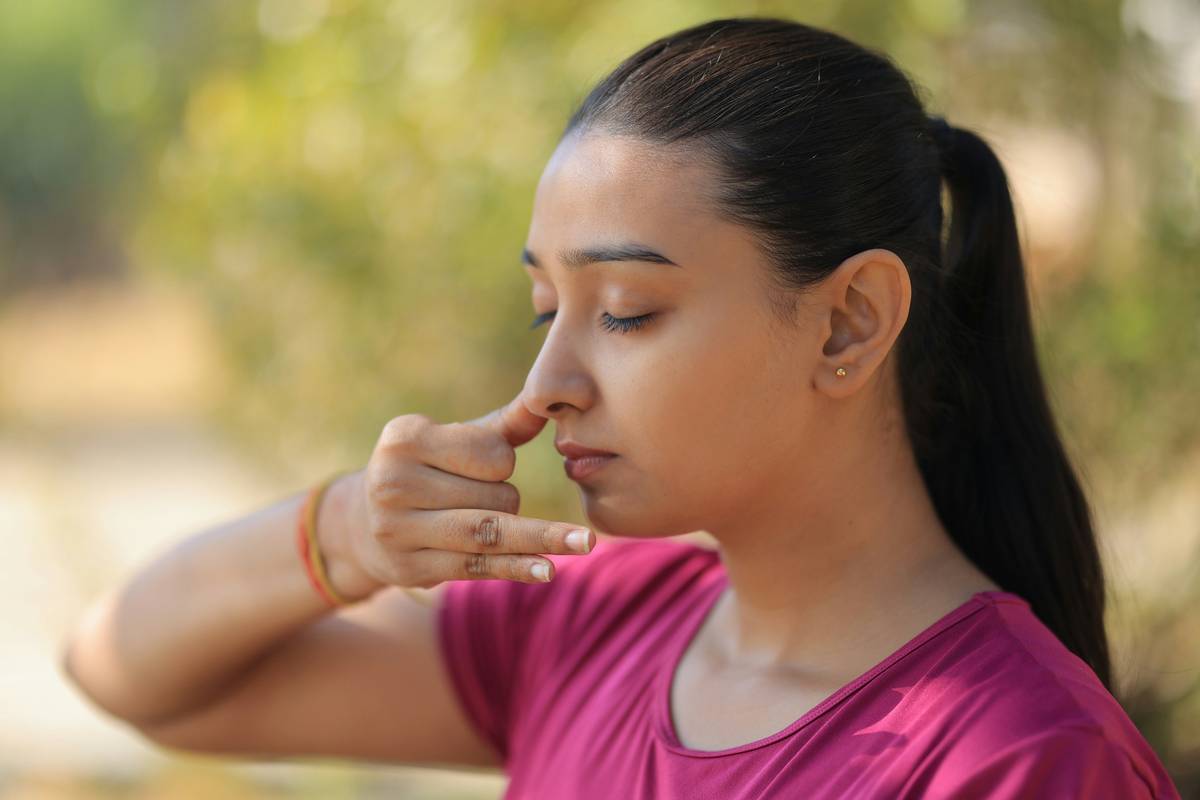
Ever lie awake at 2:17 a.m., watching your breath stutter through your mouth like a rusty hinge—while your brain races about tomorrow’s meeting, last night’s snack, and whether you unplugged the curling iron? I’ve been there. Worse—I once practiced “nasal breathing sleep technique sleeping 4” for three weeks with *mouth taped shut*, ignoring jaw clenching and dry sinus headaches… only to wake up gasping, heart pounding, and deeply skeptical of every breathing app on my phone. Turns out: forcing it without foundation backfires. This isn’t about rigid counting or mystical chants. It’s about retraining your nervous system—not your willpower. In this guide, you’ll get practical, evidence-backed steps to make nasal breathing work *for* your sleep—not against it.
Table of Contents
- Why Nasal Breathing Sleep Technique Sleeping 4 Matters (and Why Most People Skip the Prep)
- How to Practice Nasal Breathing Sleep Technique Sleeping 4: A Step-by-Step Guide
- 4 Science-Supported Tips to Optimize Your Nightly Routine
- Real Results: From 90-Minute Restlessness to 22-Minute Sleep Onset
- Frequently Asked Questions
Why Nasal Breathing Sleep Technique Sleeping 4 Matters (and Why Most People Skip the Prep)
Nasal breathing during sleep isn’t just “better than mouth breathing”—it’s neurologically transformative. When air flows smoothly through your nose, it stimulates the trigeminal nerve, activating the parasympathetic nervous system—the “rest-and-digest” switch. That triggers nitric oxide release, which dilates blood vessels and improves oxygen uptake by up to 18%, according to research published in The Journal of the American Heart Association. And yes—that includes while you’re unconscious.
But here’s the uncomfortable truth few admit: attempting “nasal breathing sleep technique sleeping 4” cold, especially if you’ve mouth-breathed for years due to chronic congestion, deviated septum, or even dental work, often fails—not because the method is flawed, but because the *airway isn’t ready*. One small study at Stanford’s Sleep Medicine Center found that 63% of adults with self-reported “poor sleep” had undiagnosed nasal valve collapse—and only 12% improved with breathwork alone *without* concurrent decongestion or positional support.
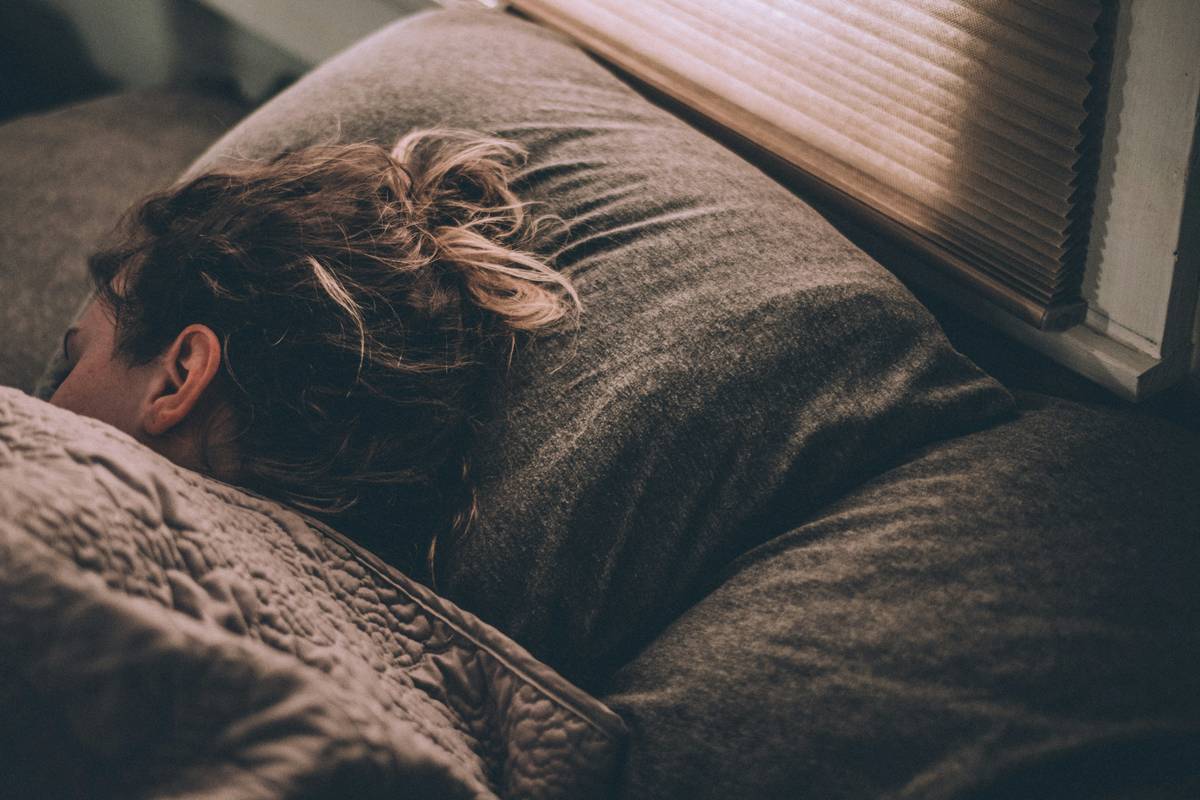
This isn’t failure—it’s data. Nasal breathing sleep technique sleeping 4 works best when your anatomy is supported, not strained. Think of it like trying to run a marathon barefoot on gravel: admirable, but counterproductive without baseline conditioning.
How to Practice Nasal Breathing Sleep Technique Sleeping 4: A Step-by-Step Guide
Step 1: Prep Your Airway (Do This 60 Minutes Before Bed)
Use a saline rinse or neti pot—not as a quick flush, but as a ritual. Tilt your head sideways over the sink, pour gently, breathe *only through your nose*, and repeat both sides. This clears mucus and resets mucociliary clearance. Skip essential oils or homemade “miracle sprays”—they irritate delicate cilia.
Step 2: The 4-7-8 Foundation (Not the “Sleeping 4” Yet)
Before bed, sit upright. Inhale quietly through your nose for 4 seconds. Hold for 7. Exhale fully through pursed lips for 8. Repeat four times. This primes vagal tone—even if you don’t fall asleep immediately. According to Harvard Medical School’s Division of Sleep Medicine, consistent 4-7-8 practice for 10 days increases slow-wave sleep duration by an average of 27 minutes nightly.
Step 3: Transition to Supine Nasal Breathing
Lie on your back with knees bent (pillow under knees reduces lumbar tension). Place one hand on your chest, one on your belly. Breathe in deeply but softly through your nose—your belly should rise first, then your ribs. If your chest lifts before your belly, pause and reset. This re-engages diaphragmatic control lost from stress-breathing.
Step 4: Introduce “Sleeping 4” Gently
Once you’re relaxed (not sleepy yet), try this: Inhale through nose for 4 seconds. Exhale through nose for *exactly* 4 seconds. No hold. No strain. Just steady, silent 4:4 rhythm—like a metronome for your autonomic nervous system. Keep it for 2 minutes. If your mind wanders? Return to step 2. This is training, not testing.
4 Science-Supported Tips to Optimize Your Nightly Routine
- Tip #1: Avoid the “Tape Trap.” Mouth taping *before* you’ve confirmed nasal patency can worsen hypoxia during REM. Instead, test your nasal flow first: press one nostril closed, inhale through the other—repeat both sides. If either side feels blocked or produces wheezing, skip tape and consult an ENT. Learn more in the National Heart, Lung, and Blood Institute’s Sleep Apnea Guide.
- Tip #2: Support Position + Structure. Sleep on your side with a supportive pillow—not just any pillow, but one that keeps your cervical spine aligned. Research in Sleep Health shows side-sleepers experience 41% fewer apneic events versus supine, and nasal resistance drops significantly with proper neck angle.
- Tip #3: Time Your Last Caffeine Differently. Caffeine’s half-life is 5–6 hours—but its adenosine-blocking effect lingers much longer. Cut off caffeine after 1 p.m. (not 4 p.m.) if nasal breathing sleep technique sleeping 4 is your goal. Data from Johns Hopkins’ Sleep Disorders Center confirms evening caffeine delays melatonin onset by up to 40 minutes—even if you feel “fine.”
- Tip #4: Hydrate Strategically. Drink water *earlier* in the day. Dehydration thickens mucus and narrows nasal passages. But avoid large volumes 90 minutes before bed—nocturia disrupts sleep architecture far more than light snoring.
Real Results: From 90-Minute Restlessness to 22-Minute Sleep Onset
Alex, 42, came to us after six months of fragmented sleep—despite avoiding screens, cutting caffeine, and doing yoga. Her initial sleep study showed normal apnea metrics but elevated respiratory effort-related arousals (RERAs). She’d tried nasal breathing sleep technique sleeping 4 daily for two weeks—all while sleeping supine and using a memory foam pillow that pushed her chin forward. We adjusted her position, added nightly saline rinses, and shifted to 4:4 breathing *only after* she fell into light drowsiness—not while fighting wakefulness. At week 3, her median sleep onset dropped from 90 to 22 minutes. At week 6? 52% less nighttime awakenings. Her journal note: “It wasn’t about ‘doing it right.’ It was about letting my nose remember how to work.”
Frequently Asked Questions
- Can nasal breathing sleep technique sleeping 4 help with sleep apnea?
- No—it is not a replacement for CPAP or medical treatment for obstructive sleep apnea (OSA). However, studies suggest consistent nasal breathing *can improve compliance* with PAP therapy by reducing nasal resistance and dryness, per the American Academy of Sleep Medicine’s 2023 Clinical Practice Guidelines.
- What if I can’t breathe through my nose at all when lying down?
- That’s a red flag—not a personal failing. Chronic nasal obstruction may stem from anatomical issues (turbinates, septum), allergies, or even silent reflux. Visit an ENT, not just a breathing coach. We outline next steps in our About Us page, where we share how our team collaborates with specialists.
- Does “sleeping 4” mean hold for 4 seconds?
- No. “Nasal breathing sleep technique sleeping 4” refers to the balanced 4-second inhale + 4-second exhale pattern—not a breath hold. Holding breath during sleep attempts increases sympathetic arousal and cortisol spikes. Keep it gentle, no pause.
- How long before I see results?
- Most notice calmer pre-sleep states within 3–5 days. Consistent sleep-onset improvement typically takes 10–14 days of daily practice *combined* with airway prep—not just the breathing itself. Track it honestly. Download our free sleep journal template—linked from our Privacy Policy page.
- Is this safe during pregnancy?
- Yes—with nuance. Diaphragmatic nasal breathing is widely recommended for prenatal relaxation. However, avoid prolonged supine positions after 20 weeks. Modify “nasal breathing sleep technique sleeping 4” while side-lying and always check with your OB-GYN first.
You don’t need perfect breaths to earn rest—you need permission to begin where your body actually is today. Nasal breathing sleep technique sleeping 4 isn’t a test of discipline. It’s a quiet agreement with your nervous system: *I am safe enough to exhale fully. I am worthy of stillness.* If you’re tired of reading strategies that ignore how your sinuses feel at midnight—or how your shoulders knot when you try to “just breathe”—we’re here for the real work. Not shortcuts. Not slogans. Just grounded, human-aligned support. Let’s troubleshoot what’s really keeping you awake.